EN │ ES
Order Management
August 28, 2026
Shipedge
13 min read
Article Summary
An order management system controls how orders move from purchase to delivery — routing them to the right fulfillment center, managing inventory across locations, automating returns, and sending real-time tracking updates. This guide explains what an OMS actually does, how it differs from a WMS and an ERP, and what features matter most for high-volume 3PL operations heading into Q4. You will also find integration requirements and the most common implementation mistakes to avoid.
An order management system (OMS) is a digital platform that tracks sales, manages inventory, and handles fulfillment across multiple channels. Understanding exactly what is order management system software allows businesses to process purchases rapidly and accurately.**
The Q4 peak season brings massive surges in customer demand. E-commerce businesses face intense pressure to fulfill purchases quickly. Without the right technology, warehouses struggle to maintain inventory accuracy while processing transactions. This lack of control leads directly to delayed shipments and unhappy customers. Knowing what is order management system software provides the foundational infrastructure required for scalable success.
Modern logistics operations require robust technology to handle these volume spikes. A sophisticated platform connects digital sales channels directly to the physical warehouse. This connectivity ensures that every purchase flows seamlessly from the online shopping cart straight to shipping. Businesses gain real-time visibility into their entire operations, allowing them to proactively manage stock levels. This transformation turns a chaotic peak season into a orchestrated revenue engine.
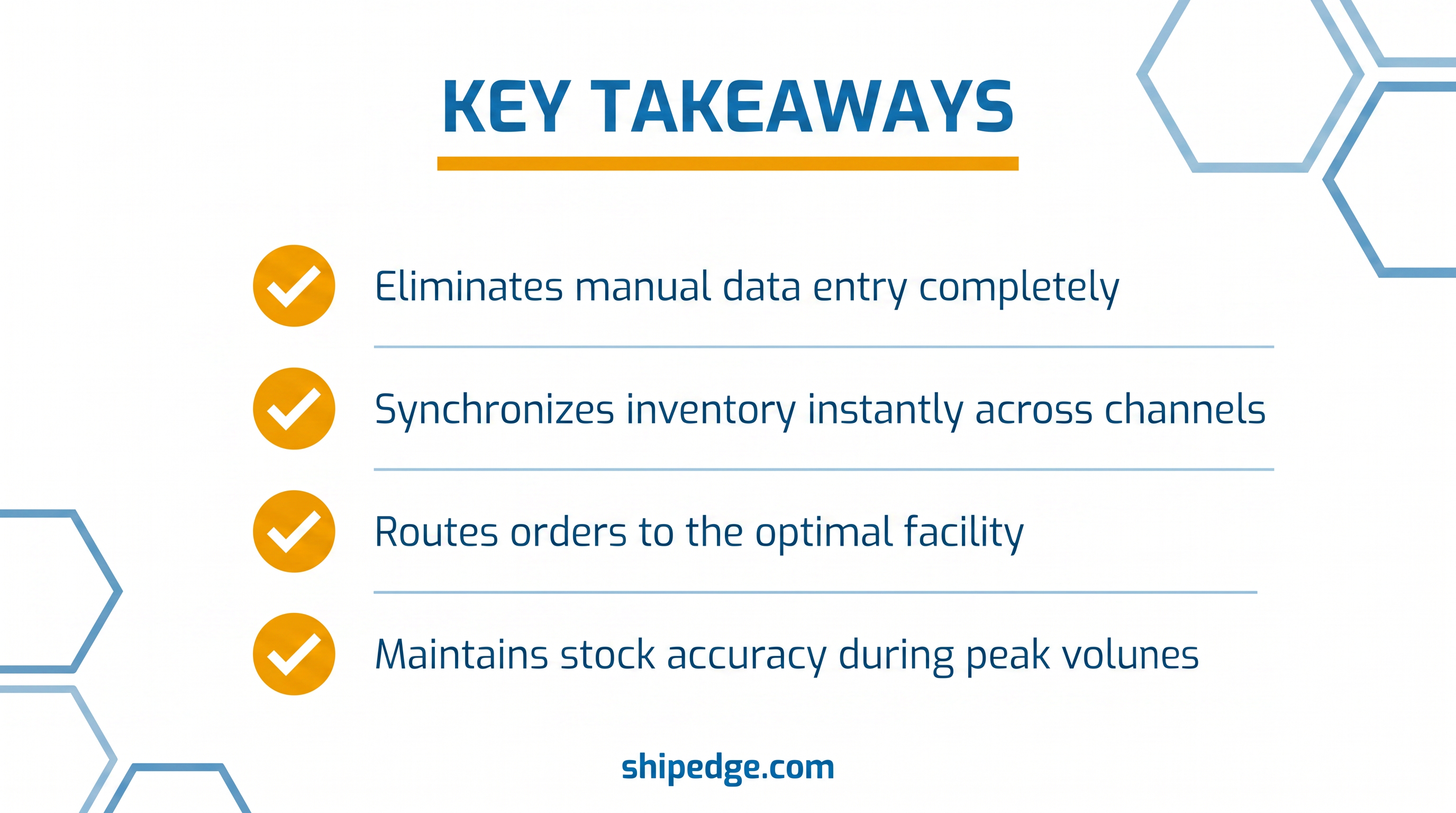
When industry professionals ask what is order management system software, they seek a comprehensive solution for their operations. This technology acts as the central nervous system for modern fulfillment workflows and distribution centers. It captures purchase data from multiple storefronts simultaneously, eliminating the need for manual order entry. The software routes purchases to the optimal fulfillment location automatically based on inventory availability. This automation drastically reduces processing times and cuts operational costs significantly.
Understanding the order management system oms requires looking deeply at its core tracking capabilities. The platform continuously monitors inventory levels across all storage facilities and retail locations. When a customer buys an item online, the system instantly deducts that precise quantity from available stock everywhere. This real-time synchronization prevents embarrassing stockouts and costly overselling issues that damage brand reputation. Warehouse managers gain the confidence to market products knowing their inventory data is perfectly accurate.
Supply chain operations rely heavily on accurate data transmission between disparate software systems. The order management system oms communicates constantly with shipping carriers to calculate real-time freight rates. This integration allows the platform to print shipping labels automatically the moment a package is packed. It transmits tracking information back to the customer without human intervention. This proactive communication strategy reduces customer service inquiries regarding order status.
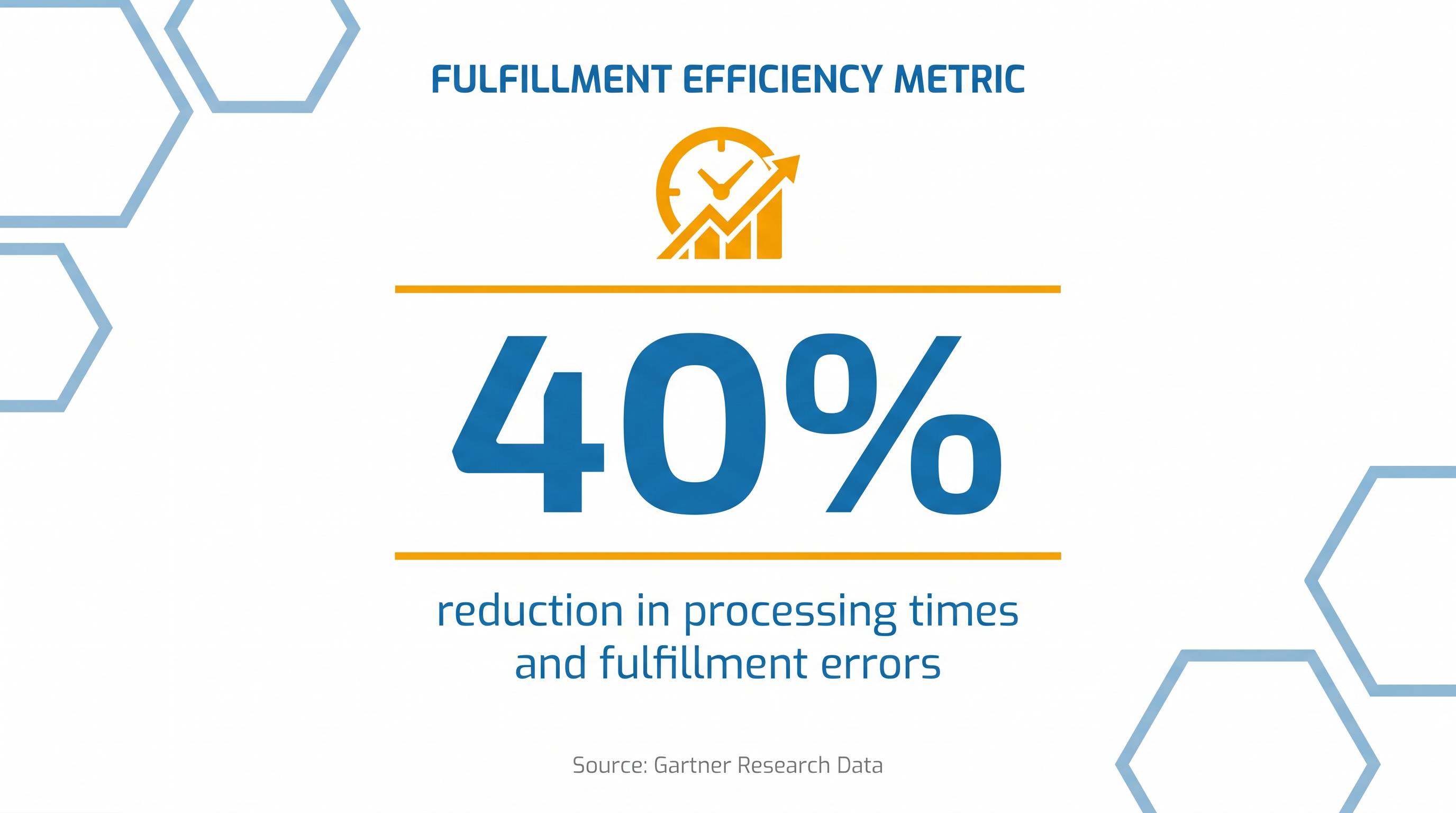
According to research from [Gartner](https://www.gartner.com), companies utilizing automated fulfillment platforms experience significant efficiency gains. These forward-thinking businesses reduce their overall processing times by up to forty percent during peak periods. They also see dramatic improvements in their inventory accuracy metrics, often approaching near-perfect levels. These operational improvements drive higher customer satisfaction scores, positive online reviews, and increased repeat business.
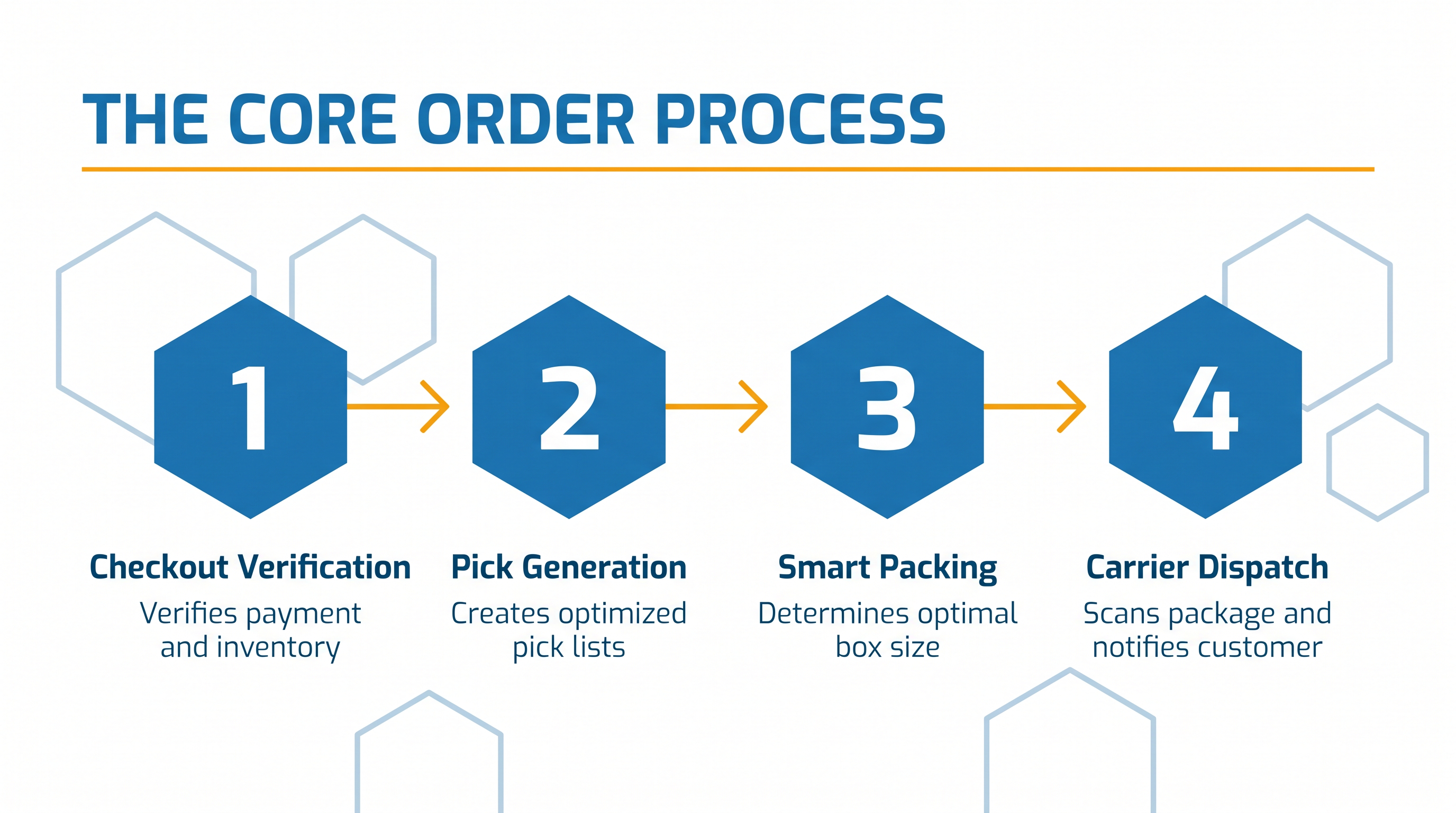
The standard order management process encompasses every single step from the initial sale to final delivery. This workflow begins the exact moment a customer clicks the checkout button on any digital storefront. The system immediately verifies payment details and checks inventory availability across the entire fulfillment network. Once confirmed, the platform reserves the required items to ensure they are not sold to another shopper. This rapid verification sequence provides a frictionless purchasing experience for the end consumer.
After successfully securing the inventory, the order management process moves to the physical fulfillment stage. The software generates digital pick lists for warehouse workers on mobile devices or specialized scanners. These optimized lists guide employees through the facility using the most efficient walking routes possible. This strategic routing drastically reduces the time workers spend pacing between aisles and searching for products. The system organizes picks by zone or wave depending on the specific operational requirements.
Warehouse staff then pack the items according to specific business rules enforced by the software. The system recommends the optimal box size for each shipment based on product dimensions and weight. This intelligent packaging logic reduces dimensional weight shipping costs and minimizes expensive dunnage waste. The order management process concludes when the shipping carrier scans the package upon pickup.
Efficiency during this workflow absolutely determines the profitability of e-commerce and 3PL operations. A streamlined order management process handles tens of thousands of transactions daily without breaking a sweat. It completely eliminates the need for manual data entry and repetitive, error-prone administrative tasks. Businesses can then reallocate their human resources to more strategic initiatives like customer retention. This scalable workflow enables companies to grow their revenue rapidly without linearly increasing their headcount.
[IMAGE PLACEHOLDER 2: Process Diagram — Type 2, 16:9]
*Alt text: Diagram showing the order management process from checkout to delivery*
A robust order management system oms includes powerful features specifically designed for high-volume logistics operations. Intelligent order routing stands out as a critical capability for growing multichannel brands. The software analyzes shipping destinations, inventory locations, and carrier rates instantly for every purchase. It then automatically assigns the fulfillment task to the warehouse closest to the end customer. This geographic optimization minimizes costly shipping zones and delivers packages significantly faster.
Another essential feature of an order management system oms involves returns processing and reverse logistics. The platform provides a seamless self-service portal for customers to initiate their returns online effortlessly. It automatically generates return shipping labels and updates inbound inventory forecasts for the receiving warehouse. This automated workflow turns a typically frustrating consumer experience into a powerful competitive advantage.
Advanced analytics provide unprecedented visibility into the entire supply chain and fulfillment operation. Managers track key performance indicators through highly customizable digital dashboards updated in real time. They monitor exact fulfillment speeds, evaluate individual carrier performance, and track detailed inventory turnover rates. These deep insights enable data-driven decisions that improve operational efficiency continually month over month. Leaders can instantly identify bottlenecks in the workflow and deploy resources strategically.
The order management system oms also offers extensive integration capabilities through modern APIs. It connects effortlessly with accounting software, marketplace platforms, and sophisticated customer service tools. This unified technological ecosystem ensures that critical data flows freely across the entire organization without friction. Such deep connectivity completely eliminates isolated information silos and fosters cross-departmental collaboration. Teams work from a single source of truth, aligning their goals and improving overall execution.
Modern consumers expect a unified shopping experience across all digital and physical touchpoints. Multichannel fulfillment capabilities allow ambitious businesses to sell their products everywhere simultaneously. The software manages inventory across custom websites, digital marketplaces, social media platforms, and wholesale channels. It centralizes all sales data into one easily accessible dashboard for comprehensive operational oversight. This omnichannel approach drastically increases market reach and accelerates overall revenue growth.
This centralized technological approach prevents catastrophic channel conflict and embarrassing inventory discrepancies. When an item sells on one platform, the system updates the available stock count everywhere else instantly. This rapid synchronization protects the brand's reputation by preventing overselling during high-traffic promotional events. It ensures that customers only purchase items that are physically available and ready to ship. This reliability builds profound trust with consumers, encouraging them to return for future purchases.
Scaling physical operations during the Q4 peak season requires robust, enterprise-grade software infrastructure. The software handles massive transaction spikes gracefully without slowing down or crashing during critical moments. It processes thousands of orders per minute during major sales events like Black Friday and Cyber Monday. This rock-solid reliability gives business owners total peace of mind during their most critical revenue periods. They can focus entirely on marketing and sales, knowing the backend systems will perform flawlessly.
According to a detailed report by [Supply Chain Dive](https://www.supplychaindive.com), true multichannel fulfillment requires automated inventory allocation. The platform reserves specific stock quantities for different sales channels dynamically based on predefined rules. It adjusts these strategic allocations based on real-time demand patterns and historical sales velocity. This remarkable flexibility maximizes revenue potential across the entire digital ecosystem while minimizing excess inventory. Businesses operate leaner, reducing carrying costs and improving overall profitability margins.
[IMAGE PLACEHOLDER 4: Stats Callout — Type 4, 16:9]
*Alt text: Graphic showing 40 percent reduction in errors using what is order management system software*
The standard order management cycle presents numerous opportunities for exceptionally costly human errors. Manual data entry often leads directly to incorrect shipping addresses or wrong item selections by warehouse staff. These preventable mistakes frustrate customers intensely and destroy profit margins through expensive returns processing. Automation removes these severe risks entirely from the equation, ensuring a flawless customer experience. Replacing human keystrokes with digital data transfers eliminates the root cause of most fulfillment failures.
A truly digital order management cycle relies heavily on barcode scanning technology to ensure perfect accuracy. Warehouse workers scan items meticulously during both the initial picking and final packing phases. The system alerts the worker immediately with visual cues if they select the wrong product. This strict verification process virtually eliminates shipping errors before packages ever leave the facility. Customers receive exactly what they ordered every single time, drastically reducing costly customer service tickets.
Advanced address validation algorithms run continuously in the background throughout the entire order management cycle. The software checks every single shipping address against global postal databases automatically upon order ingestion. It corrects minor formatting issues silently and flags completely invalid destinations for manual review. This proactive approach prevents costly carrier adjustment fees and delayed deliveries caused by typos. It ensures packages reach their intended destination on the first attempt, improving customer satisfaction.
Strict quality control measures operate silently in the background of the entire order management cycle. The platform tracks individual employee performance and identifies specific training opportunities quickly. It measures precise picking accuracy, calculates packing speed, and tracks overall productivity metrics per worker. Managers use this granular data to build highly efficient and perfectly accurate warehouse teams. This culture of accountability drives continuous operational improvement and reduces costly labor turnover.
Finding the exactly right technology partner determines long-term fulfillment success for any modern brand. [Shipedge](https://www.shipedge.com/order-management-system) delivers a highly comprehensive platform designed specifically for rapidly growing operations. The cloud-based software combines incredibly powerful inventory tracking with highly intelligent routing capabilities. It scales effortlessly as daily order volumes increase dramatically during peak holiday seasons. This powerful architecture supports businesses as they transition from small startups to enterprise-level operations.
The versatile Shipedge platform simplifies complex multichannel fulfillment challenges easily and intuitively. It connects seamlessly with dozens of popular e-commerce platforms and global shipping carriers out of the box. This extensive integration network allows businesses to launch entirely new sales channels quickly. Operations teams manage everything from a single, highly intuitive interface rather than juggling multiple systems. This consolidation reduces software fatigue and drastically lowers the learning curve for new employees.
Deep warehouse optimization sits firmly at the core of the overarching Shipedge philosophy. The platform utilizes highly advanced algorithms to streamline every physical workflow within the facility. It generates dynamically optimized pick paths and automates the entire packing process completely. These profound technical innovations reduce overall labor costs and increase warehouse throughput significantly. Facilities process more shipments with fewer employees, drastically improving their bottom-line profitability.
By heavily leveraging [Shipedge](https://www.shipedge.com/warehouse-management-system), ambitious brands achieve unprecedented operational visibility. The system provides real-time, actionable analytics covering every single aspect of the modern supply chain. Managers access highly detailed reports on inventory health, employee productivity, and exact carrier performance. This granular data empowers visionary leaders to make highly strategic decisions that drive massive profitability. They transform their supply chain from a necessary cost center into a powerful competitive advantage.
Implementing highly robust fulfillment technology transforms chaotic warehouses into highly efficient profit centers. The software automates incredibly complex workflows and entirely eliminates the extremely costly errors associated with manual data entry. Businesses gain the profound real-time visibility absolutely required to scale their operations confidently during the busy Q4 peak season. This rock-solid technological foundation strongly supports sustainable, long-term growth across all digital and physical sales channels.
Understanding exactly what is order management system software gives logistics leaders a massive competitive advantage. They can easily route shipments intelligently, synchronize their inventory instantly, and manage complex supplier relationships effectively. The ultimate result is a perfectly seamless supply chain that constantly delights customers and aggressively protects profit margins. Modern digital commerce absolutely requires this high level of operational sophistication to simply survive and thrive.
**Ready to optimize your fulfillment operations?** [Shipedge](https://www.shipedge.com) gives e-commerce brands and 3PLs the exact tools needed to scale efficiently during peak season. [Book a demo](https://www.shipedge.com/request-a-demo) and clearly see how this powerful platform works.
Order management is the continuous process of receiving, tracking, and fulfilling customer purchases efficiently. It encompasses absolutely everything from the initial digital checkout to the final physical delivery. Effective order management ensures perfect inventory accuracy, rapid shipping times, and minimal operational errors. This highly streamlined workflow drives deep customer satisfaction and strongly encourages profitable repeat business.
An order management system completely automates the entire fulfillment lifecycle across multiple digital sales channels. It synchronizes inventory levels instantly, routes purchases to the optimal warehouse, and generates shipping labels automatically. The software entirely eliminates manual data entry and drastically reduces costly human errors throughout the facility. It serves as the central operational hub for modern e-commerce businesses.
An order management system works seamlessly by connecting digital storefronts directly to physical warehouse operations. It captures purchase data instantly and updates centralized inventory records in real time across the network. The platform then explicitly directs warehouse staff to pick and pack the specific items efficiently. Finally, it communicates seamlessly with shipping carriers to dispatch the package quickly and affordably.
Distributed order management is an advanced logistics strategy that routes purchases intelligently across multiple fulfillment centers. The software deeply analyzes customer locations and inventory levels across all available storage facilities simultaneously. It then specifically assigns the fulfillment task to the location that can deliver the fastest and cheapest. This highly optimized approach dramatically minimizes expensive shipping costs and reduces transit times.
The order management cycle represents the complete, end-to-end journey of a customer purchase. It begins instantly with order capture and moves swiftly through inventory reservation, picking, packing, and shipping. The cycle concludes successfully when the customer receives their package perfectly intact and on time. Optimizing this entire cycle is absolutely crucial for maintaining highly profitable and scalable e-commerce operations.