EN │ ES
Raul Chavez Valdivia Velarde
09/02/2026
15 minutes
• 3PL delivery orchestration integrates disparate logistics processes into a cohesive operation.
• Technology is vital in optimizing 3PL services for better visibility and control.
• Efficient orchestration minimizes errors, reduces costs, and enables faster market response.
• 3PL providers offer scalability, industry expertise, and improved inventory management.
• Real-world success stories highlight the transformative power of 3PL warehouse orchestration.
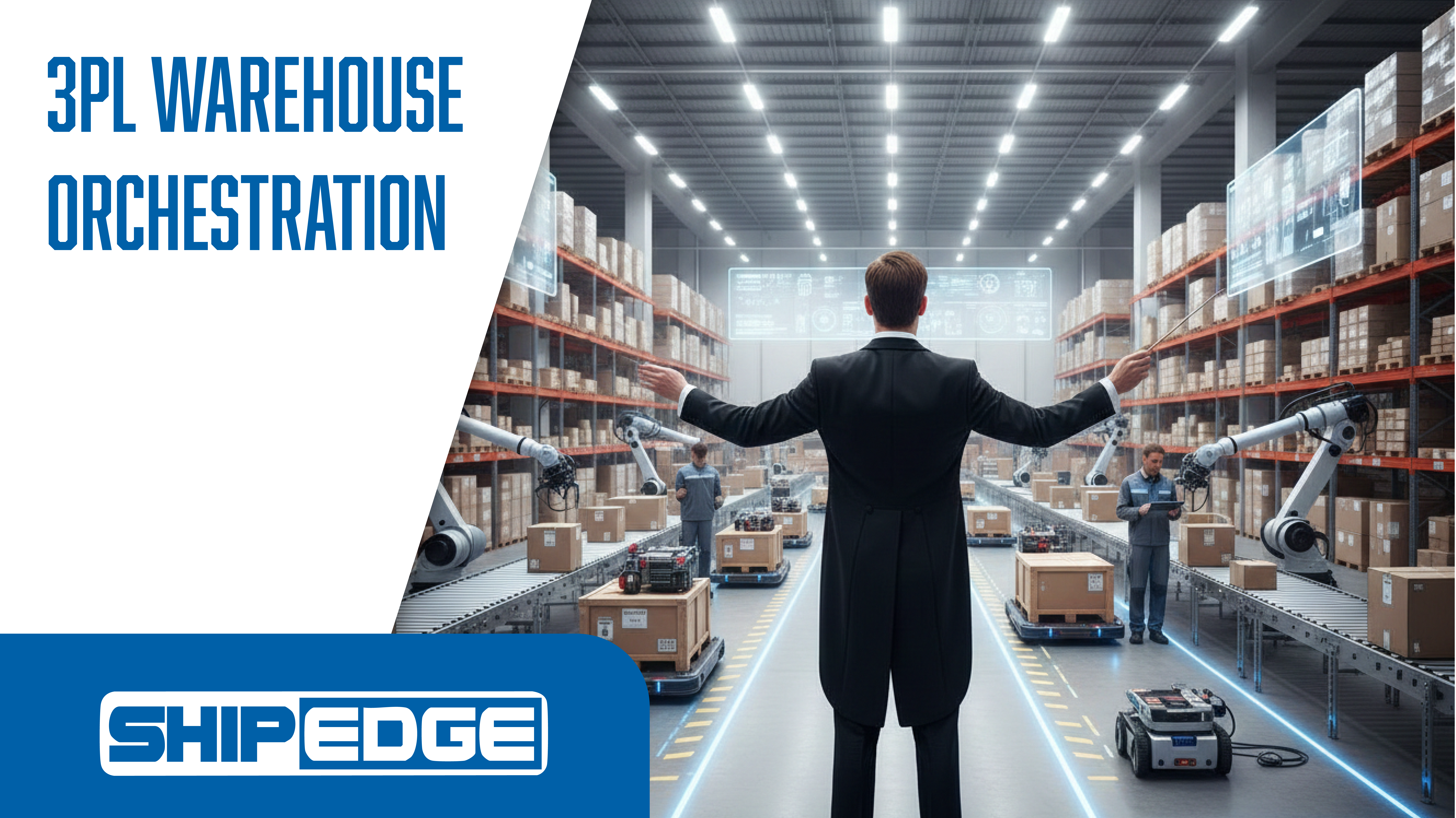
In today's fast-paced market, businesses need to stay nimble to outpace their competitors. Enter 3PL delivery orchestration—a game-changing approach that connects multiple logistics processes into a seamless operation. This orchestration acts as the maestro conducting the symphony of logistics, ensuring that every note is played perfectly, every time. When companies engage in third-party logistics, they are not merely outsourcing a single task; they are integrating a partner that can optimize the entire supply chain.
3PL delivery orchestration is not just about moving goods from point A to point B; it involves the integration of various 3PL operations, including warehousing, transportation, and inventory management, into a unified system. By leveraging technology, companies can optimize these processes, ensuring that everything from order fulfillment to delivery happens as efficiently as possible. This technological backbone allows businesses to gain better visibility and control over their supply chain activities, leading to improved decision-making and strategic planning.
With 3PL services, companies can respond faster to changing market demands, which is crucial in a world where consumer preferences can shift overnight. Efficient orchestration allows businesses to pivot quickly, adjusting their logistics strategies to match the needs of their customers. Moreover, 3PL orchestration minimizes errors by integrating various logistics functions into a cohesive system, reducing the chances of miscommunication or logistical hiccups. In essence, 3PL orchestration is the secret sauce that transforms logistics operations, making them more efficient, agile, and cost-effective.
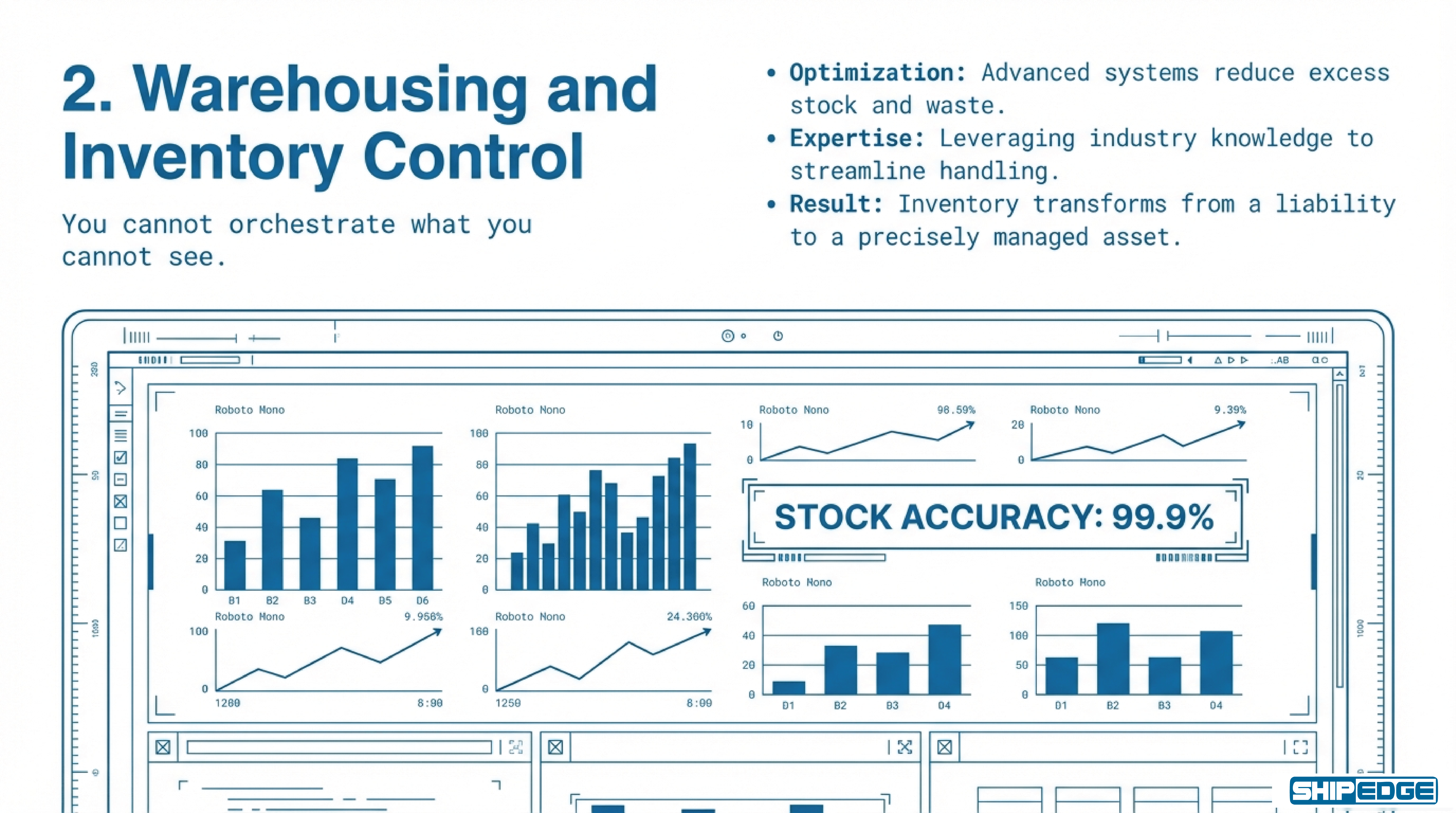
When it comes to managing complex logistics tasks, 3PL service providers are the experts. These companies specialize in handling the intricate web of logistics operations, freeing businesses to focus on their core competencies. By leveraging their expertise, 3PL providers can streamline operations, enhancing overall supply chain efficiency. They manage critical warehousing operations and inventory, ensuring that stock levels are accurate and accessible when needed.
One of the key benefits of working with 3PL providers is scalability. As your business grows, so does your logistics footprint. 3PL services offer the flexibility to expand without the logistical headaches that often accompany growth. They can adjust their services to meet your changing needs, whether you're ramping up for a seasonal surge or expanding into new markets.
Technology is another area where 3PL providers shine. They use advanced systems to optimize inventory management, reducing excess stock and minimizing waste. This technological prowess also extends to transportation and warehousing, where 3PL companies use cutting-edge solutions to enhance operational efficiency. Moreover, experienced 3PL providers bring valuable industry knowledge to the table, offering insights that improve overall operational performance.
3PL warehouse orchestration is the linchpin of efficient supply chain operations. By optimizing resource allocation, businesses can achieve maximum productivity and streamline their logistics processes. This section explores how focusing on efficiency and customer satisfaction drives the modern supply chain. The ultimate goal of orchestration is to ensure that shipments and deliveries are executed flawlessly, meeting the high expectations of today's consumers.
Streamlined operations result in faster order fulfillment and improved customer satisfaction. In today's fast-paced world, customers expect quick and reliable service. 3PL warehouse orchestration ensures that businesses can meet these expectations, delivering products on time and in perfect condition. Additionally, proactive orchestration strategies help minimize supply chain disruptions, ensuring that operations run smoothly even in the face of unexpected challenges.
Automation plays a critical role in 3PL warehouse orchestration. By reducing manual intervention, companies can speed up processes and minimize the risk of human error. Real-time analytics is another powerful tool in the 3PL orchestration arsenal, allowing businesses to make informed choices that enhance supply chain efficiency, from predicting demand patterns to optimizing fulfillment.
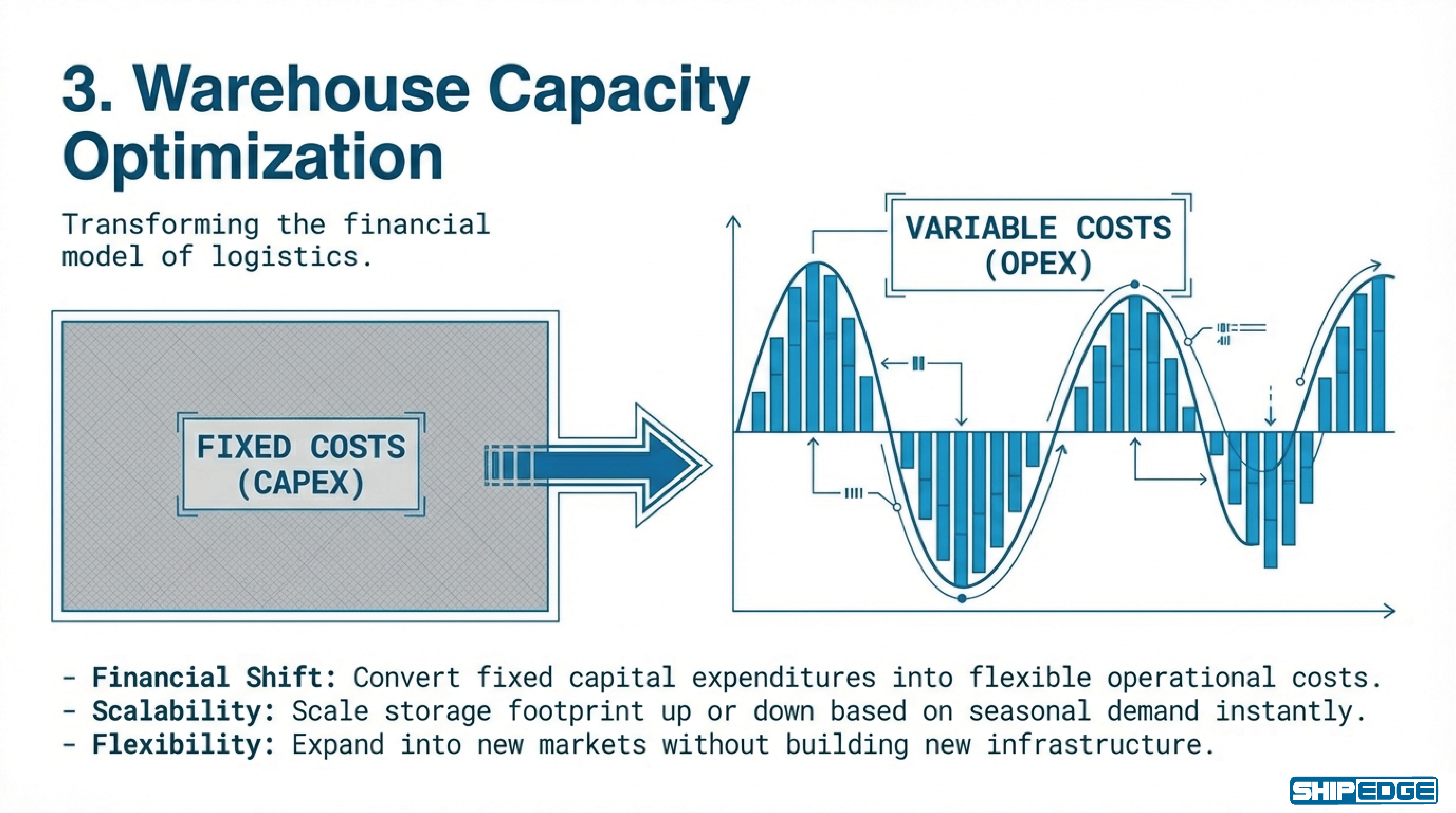
Managing warehouse capacity is a constant challenge for growing businesses, but effective 3PL warehouse management can alleviate these constraints. By utilizing a dedicated 3PL facility, companies can convert fixed costs into variable costs, paying only for the space and labor they utilize. This flexibility allows businesses to scale their storage footprint up or down based on seasonal demand without the capital expenditure of building or leasing their own warehouses.
Automation is transforming the logistics landscape, and warehouse automation solutions are at the forefront of this revolution. These solutions improve accuracy, reduce human error, and enhance overall warehouse operations. Many 3pls employ a sophisticated 3PL system that integrates robotics and AI to enhance picking, packing, and shipping processes.
Robotics and AI are key components of 3PL warehouse automation solutions, ensuring that every task is completed with precision and speed. This not only improves operational efficiency but also reduces the risk of errors, leading to cost savings and improved service delivery. Energy-efficient solutions are another benefit of 3PL automation, allowing businesses to lower their carbon footprint and contribute to sustainability. Automation also gives businesses a competitive edge by enabling faster and more reliable service delivery, ensuring that companies can meet customer expectations and stay ahead of the competition.
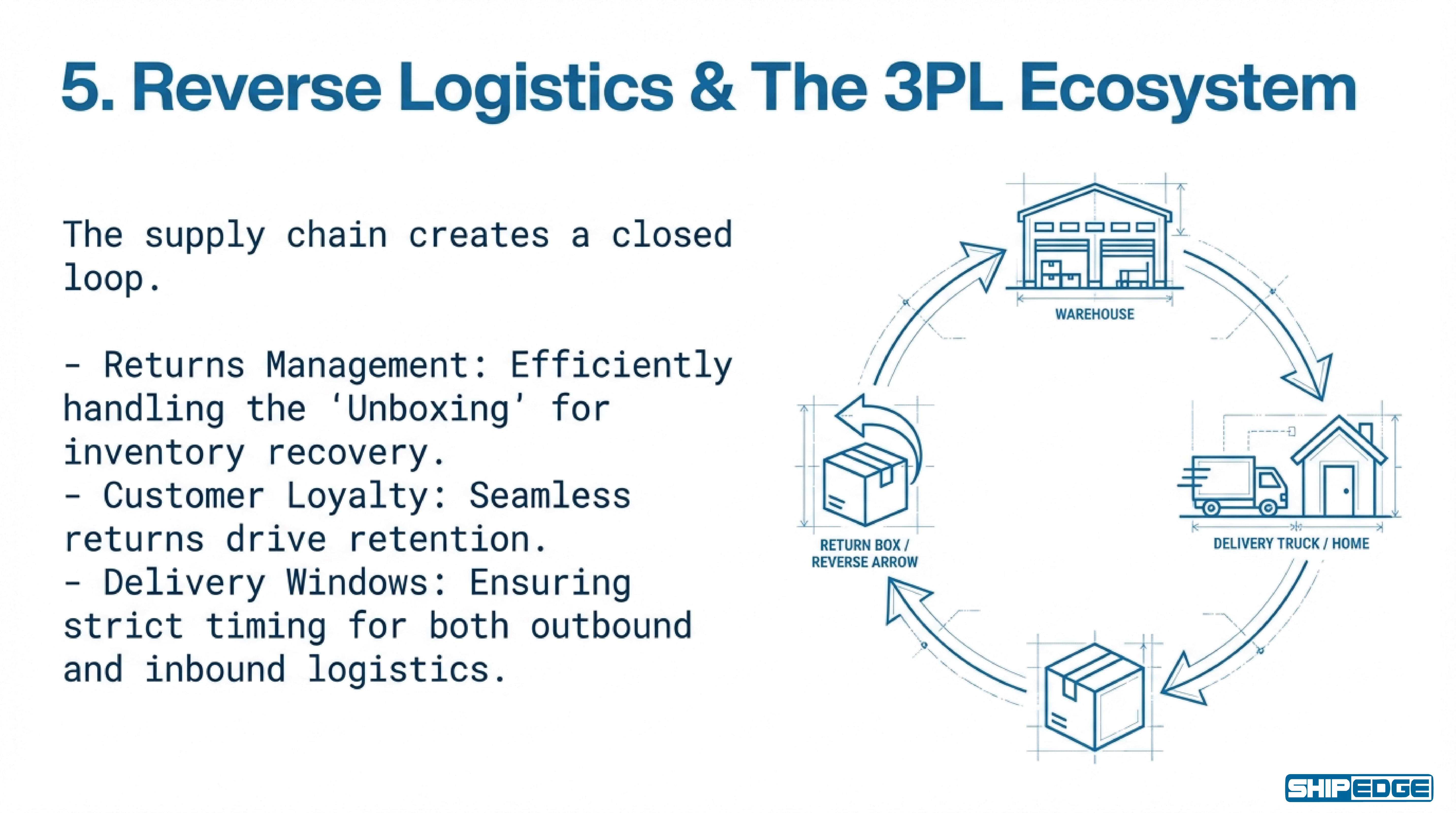
A robust 3PL ecosystem goes beyond simple storage; it encompasses the management of the entire product lifecycle, including reverse logistics. Handling returns efficiently is just as critical as outbound shipping, as it directly impacts customer loyalty and inventory recovery. Furthermore, advanced orchestration ensures that strict delivery windows are met, improving reliability for end consumers and retail partners alike.
Effective delivery orchestration is the backbone of successful logistics operations. By implementing key strategies, businesses can enhance their delivery operations and achieve greater efficiency. One of the first steps in this process is setting clearly defined goals and objectives, providing a roadmap for the orchestration process. Integrated systems are another essential component, ensuring seamless communication between all logistics components to eliminate bottlenecks.
Continuous monitoring and evaluation are crucial for driving ongoing improvements in delivery orchestration. By regularly assessing performance, businesses can identify areas for improvement and implement changes that enhance operational efficiency. Collaboration with 3PL providers is another key strategy; by fostering innovation and efficiency, these partnerships can drive significant improvements in logistics operations.
Real-world success stories highlight the transformative power of 3PL warehouse solutions. Leading retailers, for example, Walmart, Costco, Ikea , and many others., have achieved faster delivery times and improved customer satisfaction by leveraging 3PL orchestration. By outsourcing logistics to third-party providers, these companies can focus on their core business, leaving the complexities of supply chain management to the experts.
E-commerce giants have also benefited from 3PL services by reducing overhead costs and streamlining logistics operations. Manufacturers have enhanced their supply chain resilience through strategic 3PL partnerships, navigating disruptions and maintaining smooth operations. These success stories demonstrate the power of 3PL warehouse solutions to trasform logistics operations.
Choosing the right 3PL providers is crucial for businesses looking to optimize their logistics operations. Thorough research is essential to identify providers with expertise in your industry, ensuring they understand the unique challenges within your sector. Compatibility with existing systems is another important consideration to ensure smooth integration and avoid disruptions.
Proven track records and client testimonials are valuable resources for assessing provider reliability. Scalable services are another key consideration, ensuring that the provider can accommodate future growth and changing business requirements. By carefully selecting the right 3PL providers, businesses can enhance their logistics operations, achieving greater efficiency and cost savings.
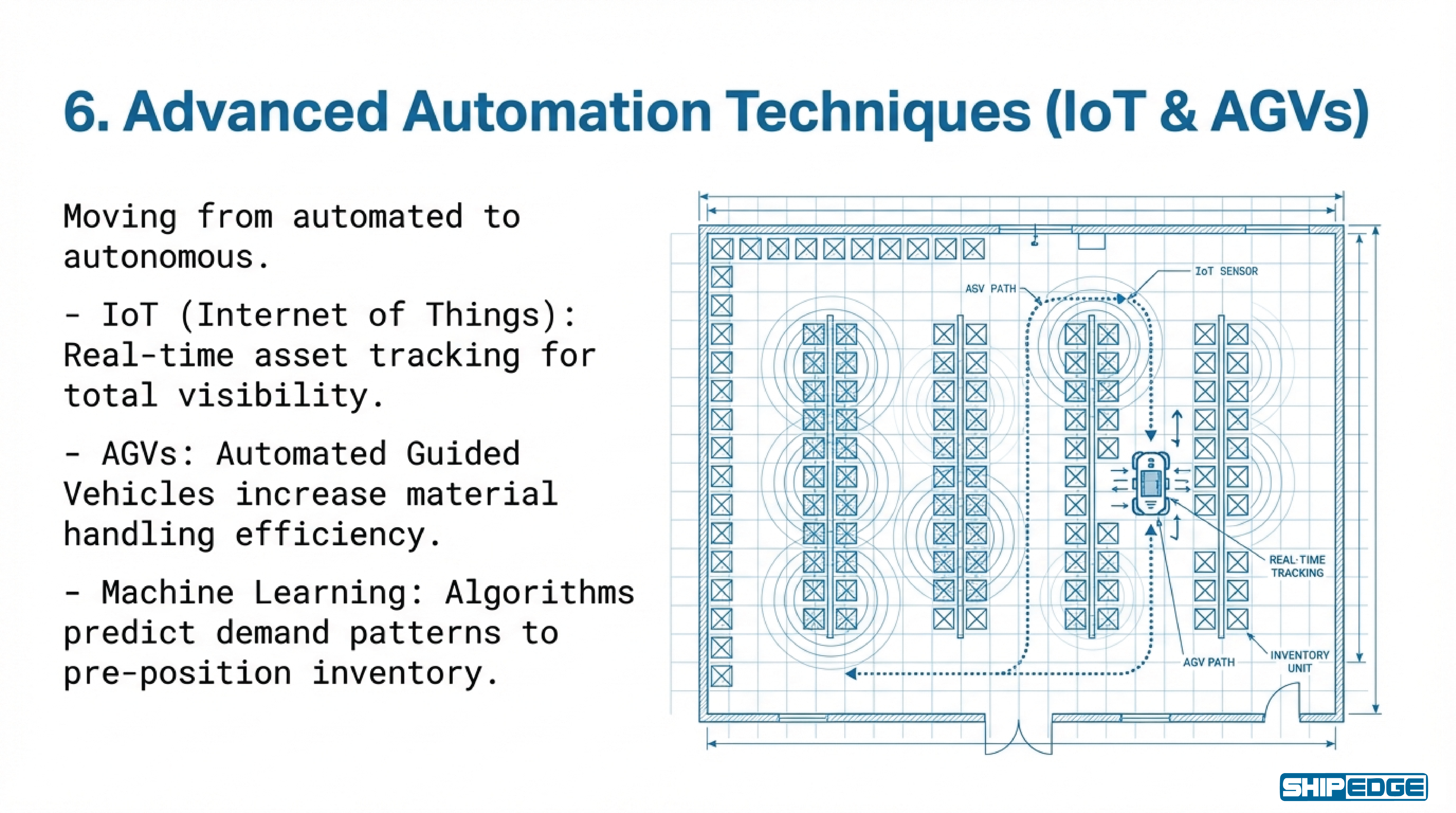
Advanced 3PL automation techniques are revolutionizing logistics operations, maximizing efficiency and transforming the supply chain landscape. Robotics streamline order fulfillment and warehouse operations, while machine learning predicts demand patterns to optimize inventory levels. IoT devices play a crucial role by tracking assets in real time, enhancing visibility and control over logistics operations.
Automated guided vehicles (AGVs) are another game-changer, increasing handling efficiency and reducing the time required for transportation and storage. Cloud-based platforms further enhance efficiency by enabling remote management and collaboration. By embracing advanced 3PL automation techniques, businesses can transform their logistics operations, achieving new levels of efficiency and productivity.
3PL warehouse management comes with its fair share of challenges, but effective strategies can help businesses overcome these hurdles. Effective communication is crucial for resolving potential misunderstandings with 3PL partners. Continuous training is another key strategy, equipping staff with the skills they need to adapt to new technologies and processes.
Risk management plans are essential for addressing potential supply chain disruptions, while regular audits ensure compliance with industry standards and regulations. Strong partnerships with 3PL providers are another crucial element, fostering mutual trust and long-term collaboration to enhance logistics operations.
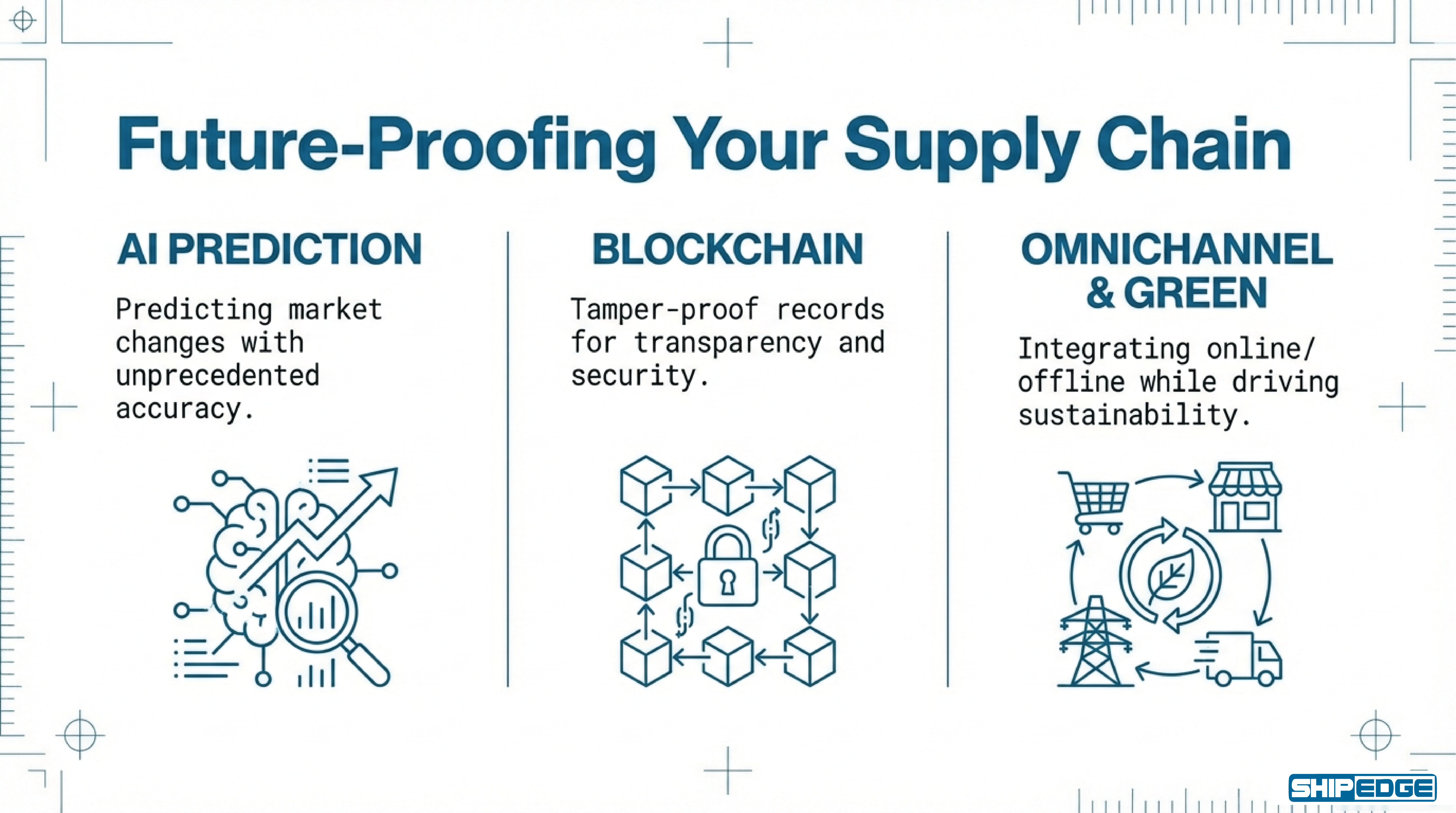
The future of 3PL delivery and warehouse orchestration is bright, with exciting trends on the horizon. AI-driven solutions are poised to revolutionize logistics operations by predicting and responding to market changes with unprecedented accuracy. Blockchain technology is enhancing transparency and security, providing a tamper-proof record of transactions.
Green logistics initiatives are gaining traction, driving sustainable practices and reducing carbon footprints. Omnichannel strategies are shaping the future of logistics by integrating online and offline operations to provide a seamless customer experience. Autonomous vehicles and drones are also set to revolutionize delivery and distribution methods, offering faster and more efficient service.
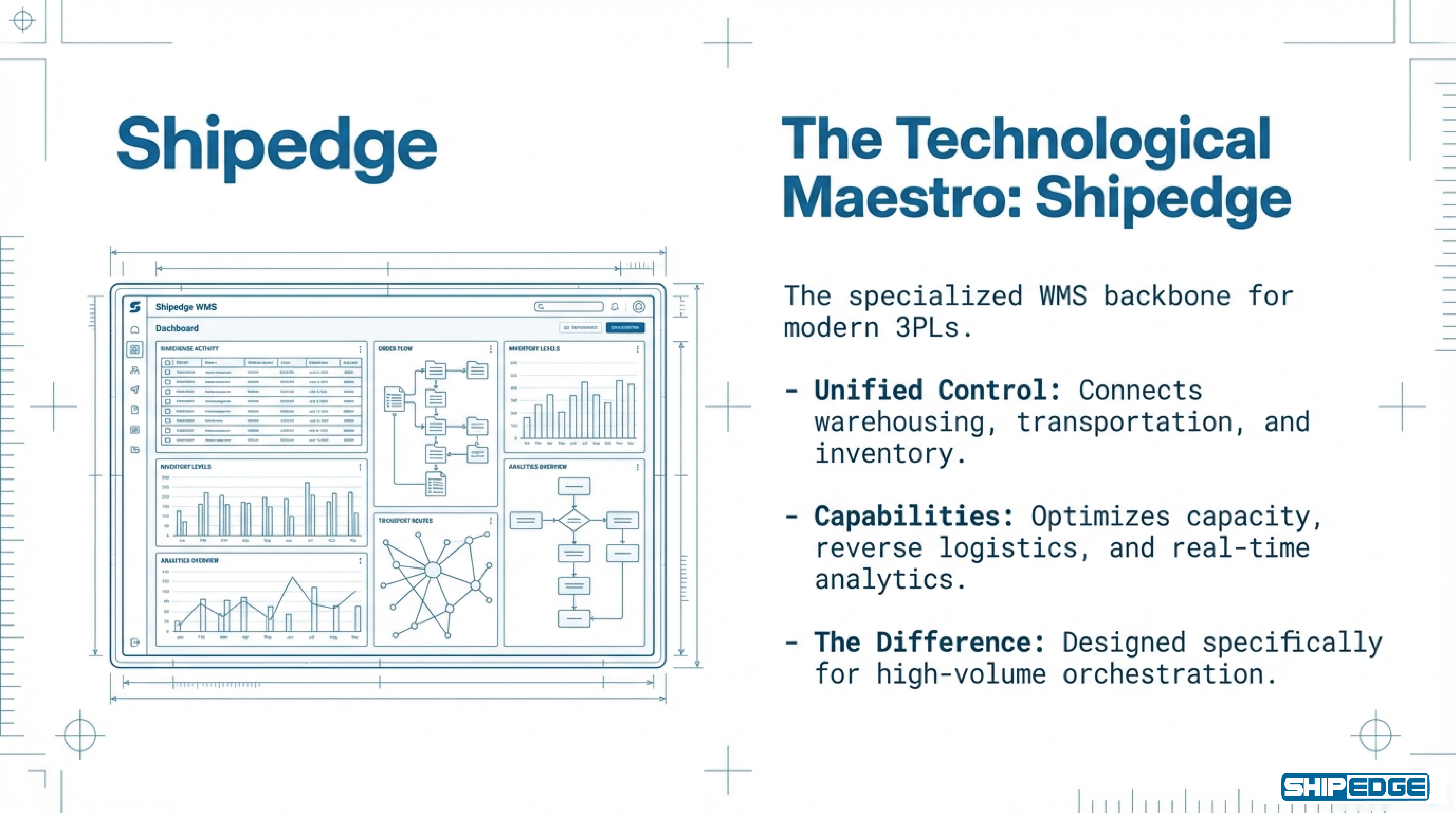
Shipedge stands out as the premier software option for 3PL warehouse orchestration by delivering the specialized WMS for 3PLs capabilities necessary to handle the complexities of serving multiple clients. By acting as the technological backbone that connects warehousing, transportation, and inventory management into a unified system, Shipedge enables providers to optimize warehouse capacity and streamline the entire supply chain. The software leverages warehouse automation and real-time analytics to minimize errors and accelerate order fulfillment, ensuring that 3PL providers can meet strict delivery windows, manage reverse logistics, and achieve the high levels of customer satisfaction required to stay competitive.
If you would like to know more about how Shipedge can take your 3PL to the highest level of efficiency, click on the following link: [contact form URL with utms]
3PL, or third-party logistics, in warehouse management refers to outsourcing logistics operations, including storage, inventory management, and order fulfillment, to an external provider. This allows businesses to focus on core activities while benefiting from the 3PL's expertise, technology, and infrastructure.
Logistics providers are classified into levels based on the services offered. 1PL involves direct shipping from the producer to the customer, while 2PL includes asset-based carriers like shipping lines. 3PL providers offer comprehensive logistics services, including warehousing and distribution. 4PL providers manage resources and technology across the supply chain, and 5PL focuses on broad supply chain management and e-commerce solutions.
A Warehouse Management System (WMS) for 3PLs is a specialized software solution designed to manage and optimize warehouse operations for third-party logistics providers. It helps streamline processes like inventory management, order fulfillment, and shipping, offering features like real-time tracking and automated reporting.
Warehouse Management Systems (WMS) come in four main types: Standalone, ERP Modules, Cloud-Based, and Supply Chain Execution Suites. Standalone WMS focuses solely on warehouse operations, while ERP Modules integrate with enterprise resource planning systems. Cloud-Based WMS solutions offer flexibility and remote access, and Supply Chain Execution Suites provide comprehensive solutions integrating multiple supply chain functions.